Featured
:max_bytes(150000):strip_icc()/DebtRelief-BestDebtReliefCompaniesImage-65c32a5716014aeca3a4e55477cb8130.png)
Getting The Recovering Your Financial Standing Following Budgeting After Bankruptcy: How Counselors Help You Build a Fresh Start Plan To Work
Table of Contents
While brand-new credit can assist you rebuild, it is very important to space out your applications. If you have a family participant or close friend with stellar credit score, consider asking to include you as an accredited individual on one of their credit history cards. If they do it, the complete background of the account will be contributed to your credit score reports.
:max_bytes(150000):strip_icc()/debtrestructuring.asp_final-a64fcb2c01704710bc55061e4304ce7d.png)
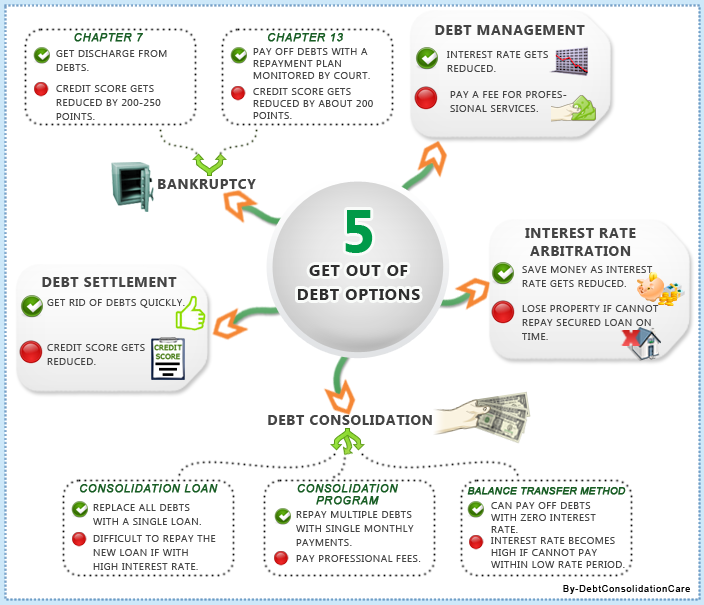
Before you take into consideration financial obligation negotiation or personal bankruptcy, it is necessary to recognize the potential advantages and disadvantages and exactly how they might relate to your scenario. Here's what to keep in mind. Both alternatives can reduce or get rid of huge sections of unsafe financial debt, helping you prevent years of unrestrainable repayments. Working out a financial obligation or declare personal bankruptcy can quit claims, wage garnishments, and hostile lender activities.
If you're unsure that financial debt negotiation or personal bankruptcy is ideal for you, below are some other debt relief options to consider. The best means will depend upon your scenario and goals. If you have some versatility with your budget plan, right here are some sped up debt payment choices you can pursue: Beginning by providing your financial debts from the tiniest to the biggest equilibrium.
Unknown Facts About Frequent Misconceptions About Debt Forgiveness
The therapist works out with financial institutions to reduced rates of interest, forgo late costs, and produce a convenient monthly payment. You make one combined payment to the company, which after that pays your monetary institutions. While a DMP does not reduce the major equilibrium, it helps you settle debt faster and much more cost effectively, commonly within three to 5 years.
While you can bargain with lenders on your own, it's typically a complex and lengthy procedure, particularly if you require to resolve a big amount of financial debt across a number of accounts. The process calls for a strong understanding of your funds and the creditor's terms in addition to confidence and determination. Therefore, there are financial debt relief business likewise referred to as financial debt negotiation business that can deal with the settlements for you.
People who enlist in the red alleviation programs have, on average, about $28,000 of unprotected financial obligation across nearly 7 accounts, according to an analysis commissioned by the American Association for Financial Debt Resolution, which took a look at customers of 10 significant financial debt alleviation firms in between 2011 and 2020. Regarding three-quarters of those customers had at least one financial obligation account efficiently settled, with the common enrollee clearing up 3.8 accounts and over half of their signed up financial debt.
It's usual for your credit report to drop when you initially start the financial debt relief process, especially if you quit paying to your creditors. As each financial obligation is worked out, your credit score should begin to rebound. Make certain you understand the total expenses and the effect on your credit when assessing if financial debt settlement is the best option.
The Best Guide To Why Waiting to Pursue Debt Help Will Cost You
As stated over, there are alternatives to debt settlement that might be a far better fit for your monetary situation. Right here's a quick break down of just how each choice works: Financial obligation consolidation lets you incorporate several financial obligations right into one by getting a new financing to pay off your current debts. This method transforms several financial debts right into a solitary month-to-month repayment and usually uses a reduced rate of interest, streamlining your finances and potentially saving you cash gradually.
Below's exactly how each one works: Financial debt consolidation loans: These are individual finances that you can use to settle your existing financial debts, leaving you with just one month-to-month expense, usually at a lower rates of interest. Balance transfer bank card: This includes moving your existing charge card balances to a brand-new charge card that provides a reduced rates of interest or an advertising 0% APR for a set period.
As soon as the period ends, rate of interest will be considerably high commonly over 20%. Home equity lendings or HELOCs (home equity credit lines): These finances permit you to borrow versus the equity in your home. You obtain a lump amount or a credit line that can be used to settle financial obligations, and you typically take advantage of lower rate of interest compared to unsecured lendings.
Indicators on Staying Away From Additional Debt Traps After Debt Relief You Need To Know
These plans have a number of advantages, such as streamlining your settlements by combining numerous right into one and potentially minimizing your rate of interest prices. But they normally include a configuration fee ranging from $30 to $50, and a monthly maintenance charge of around $20 to $75, relying on the agency you work with.
Having a great deal of financial debt can be overwhelming, yet it's still critical to take the time to take into consideration the details of different solutions so you recognize any type of potential risks. The very best financial debt plan for you relies on your monetary circumstance. If you're dealing with your expenses but still haven't missed out on any settlements, a debt administration plan may be a good fit especially if you do not desire your credit report to storage tank.
Whichever your scenario is, consider speaking with a licensed credit report counselor, a personal bankruptcy attorney, or a qualified debt consultant before progressing. They can help you get a complete understanding of your funds and choices so you're better prepared to make choices. An additional aspect that influences your alternatives is the kind of financial obligation you have.
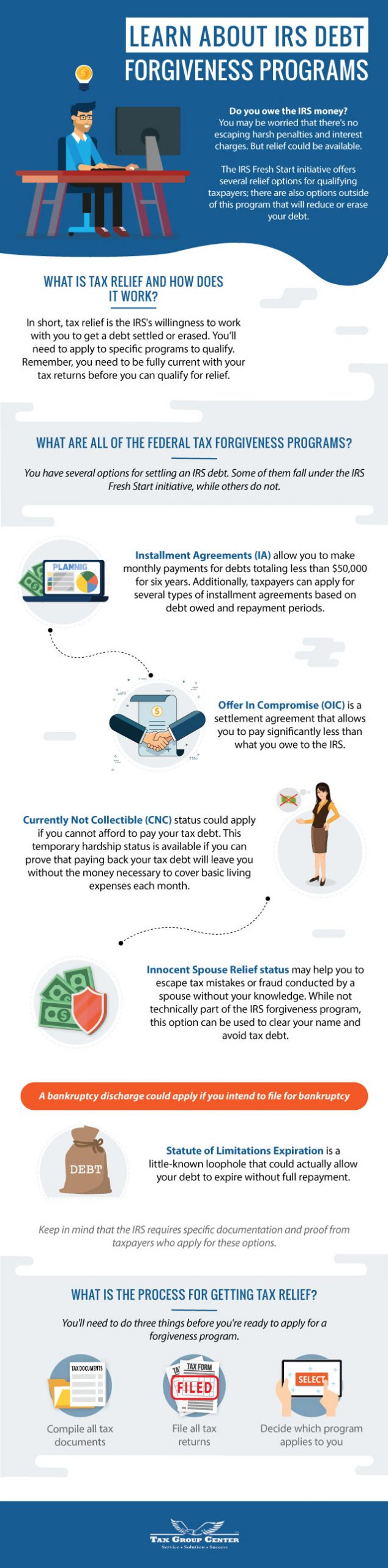
It is important to recognize that a discharge is distinctive from financial debt forgiveness, and debt does not obtain "forgiven" via an insolvency filing. Our West Palm Coastline bankruptcy legal representatives can discuss in more information. As a whole, "financial obligation mercy" describes a scenario in which a financial institution does not believe it can gather the sum total of the financial obligation owed from a borrower, and either quits trying to gather or consents to forgive a quantity less than what the borrower owed as part of a financial obligation negotiation contract.
The 9-Minute Rule for Essential Things You Must Ask a Debt Relief Organization
When this happens, the debt will certainly be considered "terminated" by the IRS, and the borrower will normally obtain a termination of debt develop the amount of financial obligation forgiven is taxed. In a bankruptcy instance, debt is not forgiven by a financial institution. Rather, it is released by the bankruptcy court, and discharge has a various meaning from financial debt mercy.

Table of Contents
Latest Posts

The 25-Second Trick For How Debt Counselors Help Clients to Secure Debt Freedom
The Greatest Guide To Types of Debt Forgiveness You Should Know About
Understanding Accredited Bankruptcy Counselors Things To Know Before You Buy
More
Latest Posts
The 25-Second Trick For How Debt Counselors Help Clients to Secure Debt Freedom
The Greatest Guide To Types of Debt Forgiveness You Should Know About
Understanding Accredited Bankruptcy Counselors Things To Know Before You Buy